Japan Earthquake and Recovery

Japan Earthquake
(Yomiuri Shimbun /AFP/Getty Images)

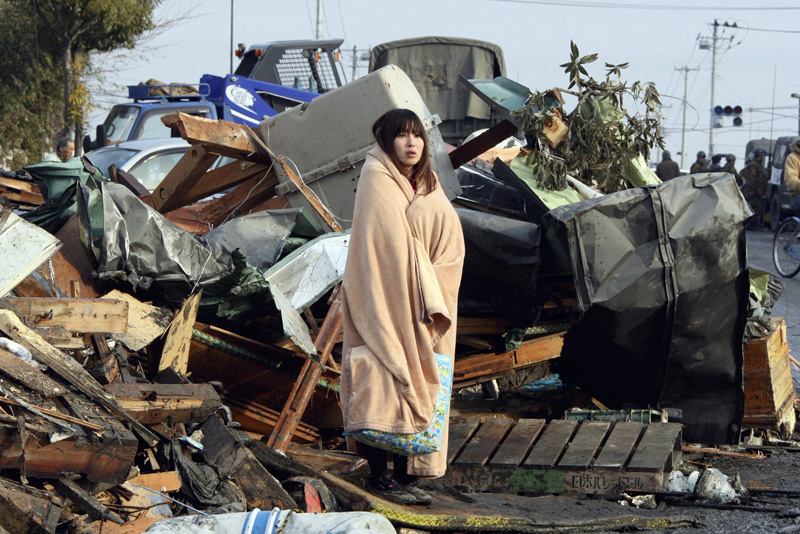
The March 11 earthquake and tsunami, and the nuclear plant explosions that followed, are the biggest national emergency Japan has faced since World War II. Follow Asia Society's continuing coverage below.

Bookmark this page, and please visit us on Twitter and Facebook for further updates.
Did the 3/11 quake, tsunami, and nuclear meltdown lead to any fundamental change in how Japan is run?
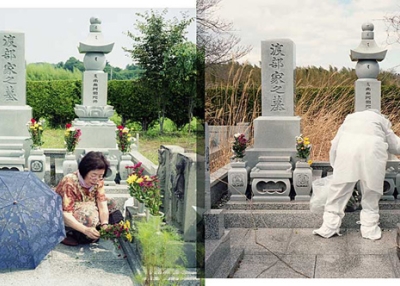
Photographer Toshiya Watanabe captures the gradual decline of his hometown near the Fukushima Daiichi Nuclear Power Plant after a huge tsunami devastated northeastern Japan.
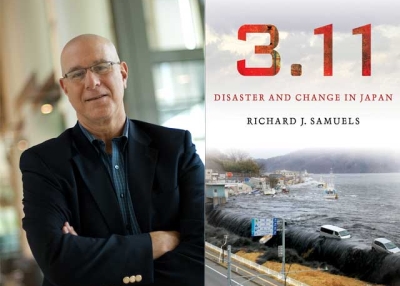
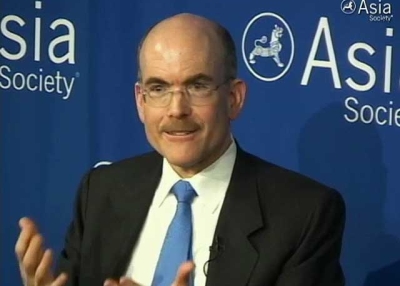
MIT professor Richard Samuels talks to Asia Society about his new book on politics in Japan in the aftermath of the devastating earthquake of March 2011.
One chapter at a time, through the power of crowd-funding, Lisa Katayama tells a story of rebuilding lives, and hope, in the tsunami-stricken town of Motoyoshi, Japan.
Watch Japanese contemporary dancer and choreographer KENTARO!! perform his solo piece 'After Raining, It Will Be Sunny,' in an Asia Society India Centre event at the National Gallery of Modern Art in Mumbai last month.
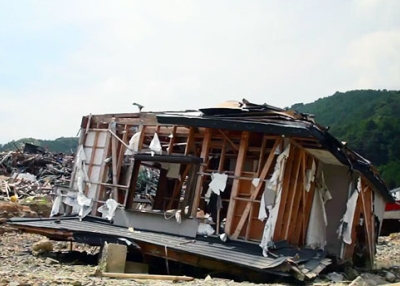
Haunting, evocative imagery from Japan's disaster area provides a context for the Emperor's address to the nation one year after the tsunami struck.
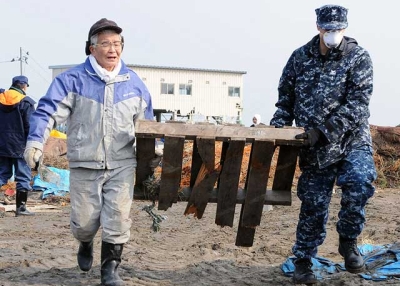
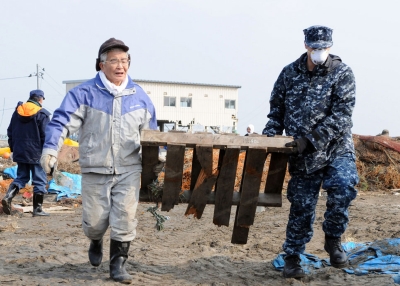
U.S. official in charge of disaster relief after the March 2011 tsunami and nuclear disaster acknowledges, "There's always more that can be done."
A top U.S. official assesses the state of disaster relief and recovery in Japan, one year after the March 2011 tsunami and nuclear catastrophe.
Journalist Simran Sethi discusses how Japan's nuclear disaster demonstrated the resiliency of the Japanese people to respond to the immediate crisis and reframe their relationship to energy consumption.
NEW YORK, July 21, 2011 — Tatsuaki Kobayashi moderates a discussion with Noboru Hayase, Fukiko Ishii and Tae Namba, all representing key...