
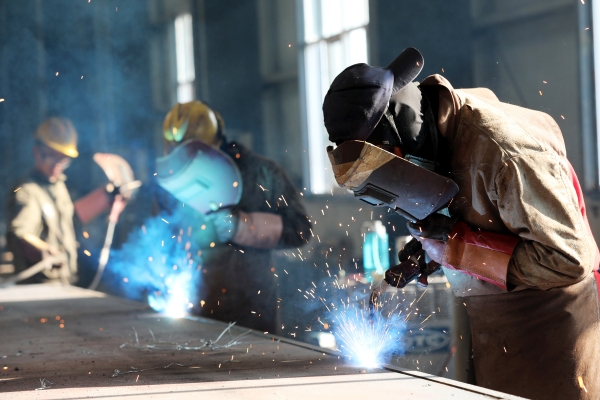
Wendy Cutler and Orville Schell explain why, contrary to President Trump's assertions, Beijing is well-positioned to compete in a trade conflict with the United States.

One of Chinatown's few female lion dancers, Sara Lai, discusses the often forgotten art of training to be a "lion head."

Arthur Kroeber discusses why "reform" is no longer the correct lens through which to view China's economy — and what Beijing thinks about President Trump.
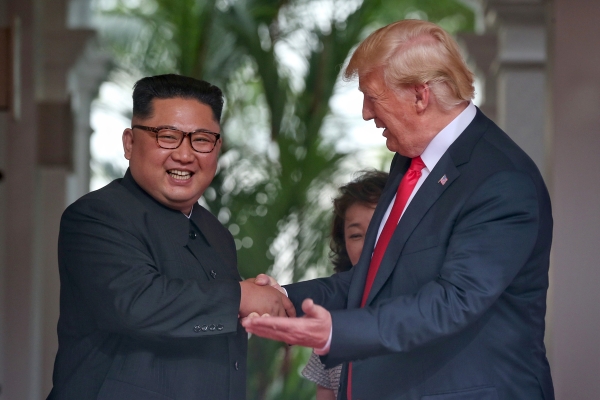
Daniel Russel and Wendy Sherman explain how North Korea walked away as the big winner in Tuesday's summit with President Trump in Singapore.
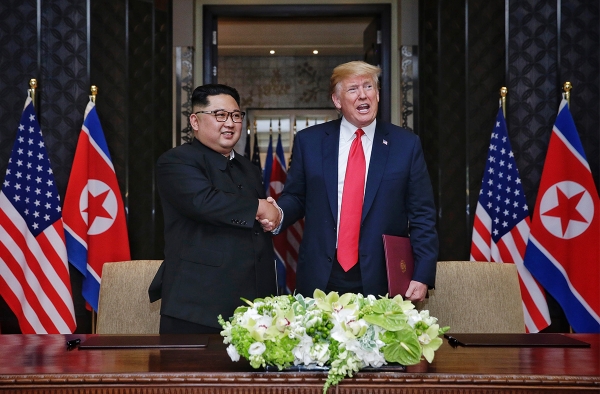
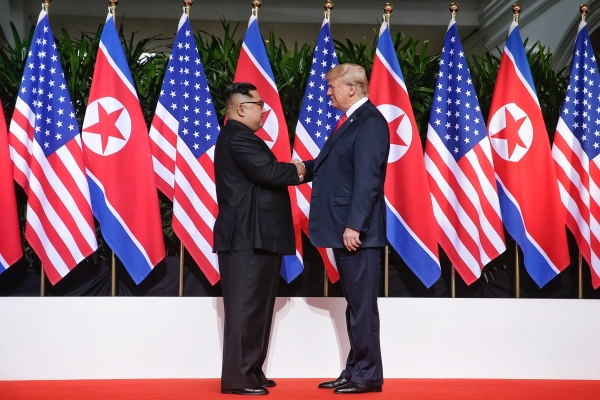
Kevin Rudd, Lindsey Ford, and others share their thoughts about Tuesday's historic meeting of the U.S. and North Korean leaders.
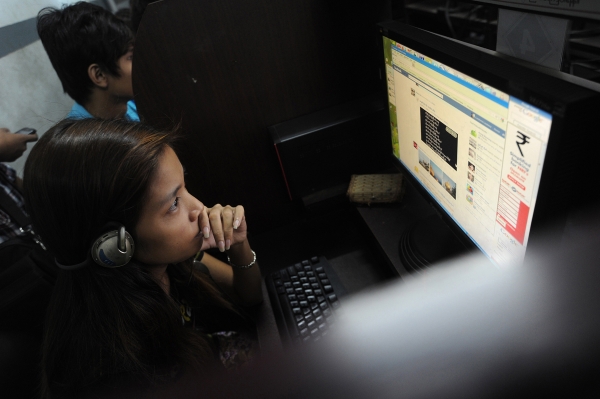
Rather than help the isolated Southeast Asian country solve its problems, the social network has instead amplified them. But Myanmar's challenges go far beyond Facebook.
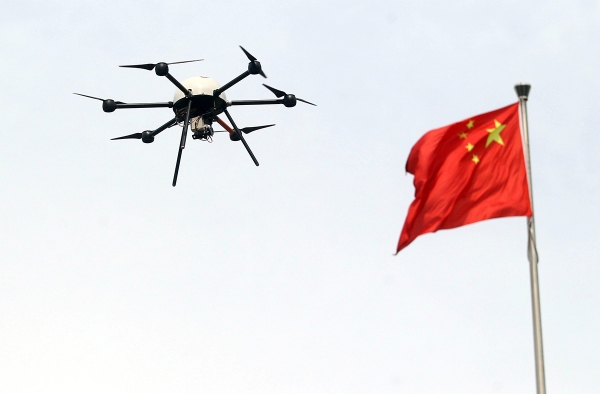
How is artificial intelligence reshaping the Asian security landscape, and how will the U.S. respond?
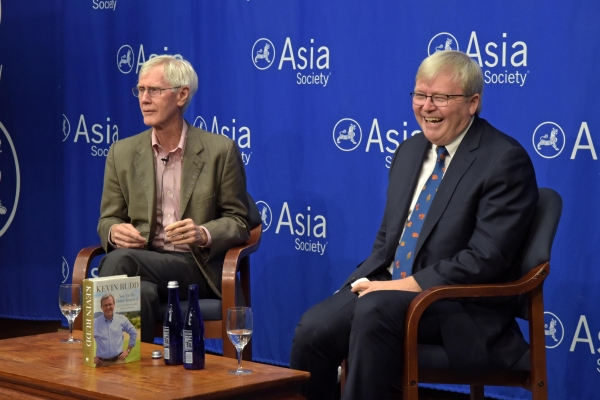
The country's eventual transition to liberal democracy once seemed inevitable — but Kevin Rudd argues that the country has redefined what the "end of history" really means.
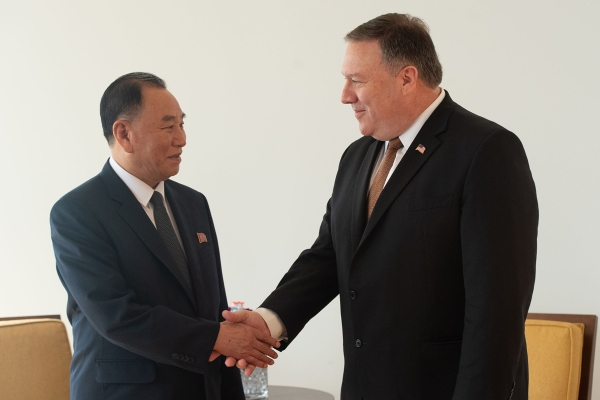
As President Trump prepares to meet Kim Jong Un in Singapore, the oft-vilified country and its citizens are less frequently talked about as diabolical curiosities.
