Giving Voice to the Children of International Adoption
NEW YORK, April 27, 2010 – The sensitive topic of international adoption was given an airing at Asia Society's New York Center, when historian Dana Sachs read from her new book The Life We Were Given: Operation Babylift, International Adoption, and the Children of War in Vietnam, which brings to light an almost forgotten episode in US-Asia relations.
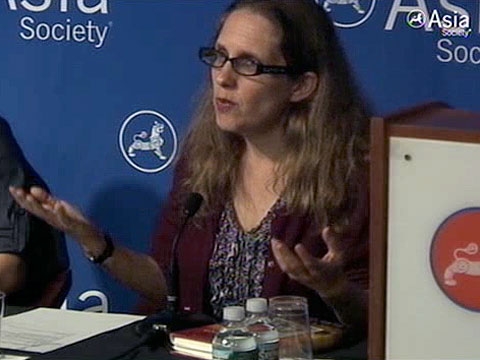
Sachs's reading was followed by a panel discussion on the topic of international adoption, in which she was joined by documentarian Stephanie Wang-Breal, psychologist Amanda Baden, and Operation Babylift adoptee Jared Rehberg, in a conversation moderated by Minky Worden of Human Rights Watch.
Undertaken in the chaotic days before the fall of Saigon in April 1975, Operation Babylift was the United States' effort to respond to the problem of the thousands of Vietnamese orphans, especially Amerasian children, who had lost their families to the ravages of war. Sachs' book reveals that this so-called rescue mission was fraught with complications—particularly as she discovered that not all of the transported children had been orphans.
Broadening the discussion of the United States' complex relationship to international adoption, documentary filmmaker Stephanie Wang-Breal presented a clip of her new film Wo Ai Ni, (I Love You) Mommy, (to be screened at Asia Society on Friday, May 14, 2010). Wang-Breal illuminated the situation of over 70,000 Chinese children who have been adopted from China since 1992, by focusing on one adoptee and by considering the event from the child's perspective. This film sheds new light on problems of displacement and Diaspora that are particular to the international adoptee's situation.
A practicing psychologist, and herself an adoptee from Hong Kong, Amanda Baden provided special insight into the situation of international adoptees, discussing their limited access to Asian culture, especially as most international adoptees are raised by white American families.
Offering a more personal perspective on the matter, Operation Babylift adoptee Jared Rehberg, explained that many adoptees have been consistently working to "figure out their place in the world." Having been raised by white American parents, Rehberg explained that he hadn't been especially aware of his own Asian identity until he moved to New York City in his mid-20s.
In conclusion, Sachs said that she still believes international adoption should remain an option "so long," she said, "as children need homes." For his part, when asked to address the often painful feelings that accompany the practice, Rehberg stated that, "If it's the life we were given, then some people don't accept it." Though the issue was addressed with both tact and personal insight by the panel, international adoption remains a contentious issue both on the personal and policy planning levels.
Reported by Shendi Xu