The Great Debates: Traditions and Forms


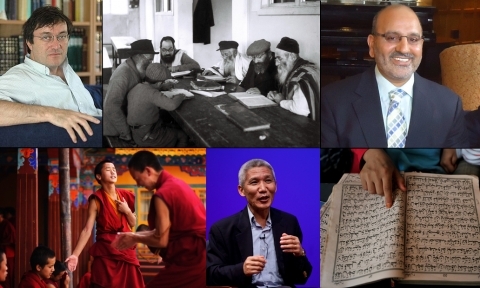
(clockwise from top left: Moshe Halbertal; Zoltan Kluger/GPO via Getty Images; Ebrahim Moosa; ADEK BERRY/AFP/Getty Images; Thupten Jinpa/Suzanna Finley; Feng Li/Getty Images)


Asia Society's The Great Debates: Traditions and Forms series explores systems of debates and discourse across cultures and religions. Each program provides an overview of the debate form through a short lecture and continues with a panel that demonstrates a potential interpretation on a current topical issue.
The Great Debates: Traditions and Forms series is made possible by a grant from the Rockefeller Foundation NYC Cultural Innovation Fund.
Presented in association with City Lore  

Upcoming Events

New Forms, New Ideas: Performing Debates
Monday, November 5, 7:00pm

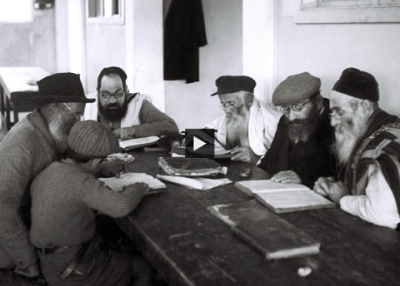
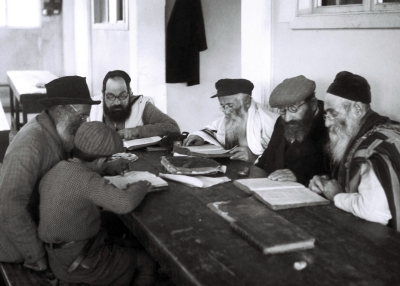
Historian, commentator and ordained rabbi Micah Halpern takes listeners through the classic Jewish tradition of discourse and debate.
Experts look at affinities and key differences between the Tibetan Buddhist and Confucian systems of discourse and debate.
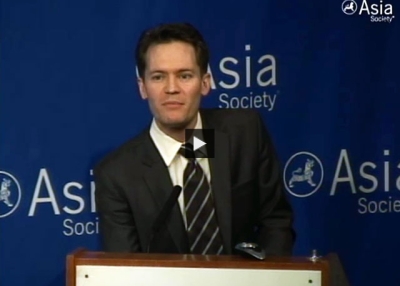
John Delury discusses the status and role of Confucian ideals in present-day Asia.
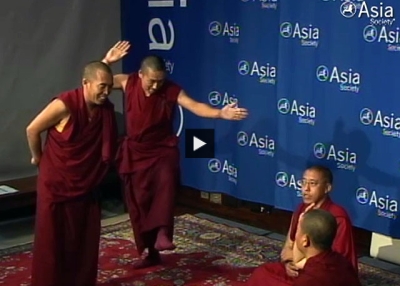
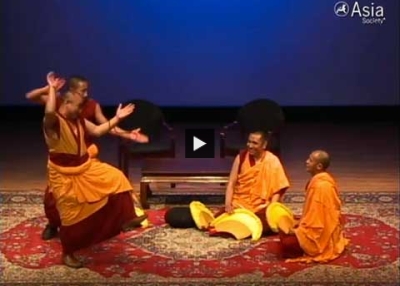
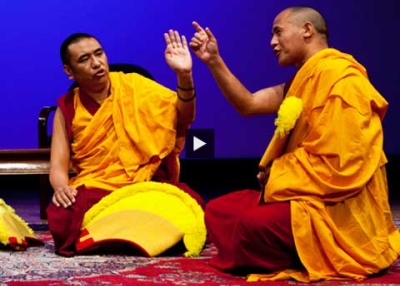
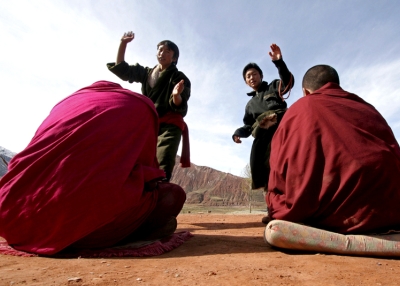
Professor Georges Dreyfus explicates a lively demonstration of traditional Tibetan Buddhist debate by monks from the Drepung Loseling Monastery.
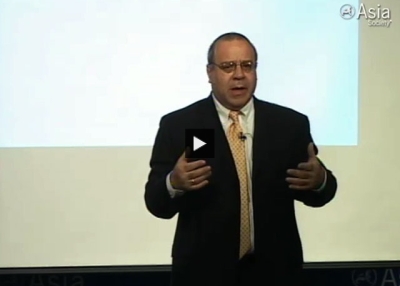
An examination of Jewish Debate by Micah D. Halpern, columnist and social and political commentator
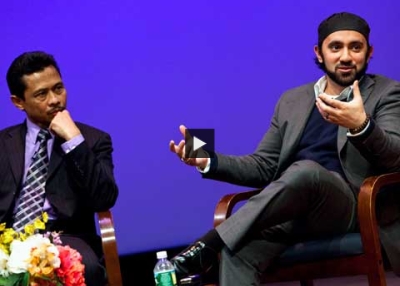
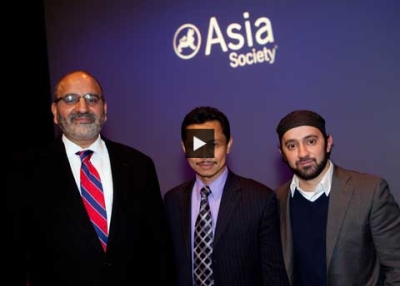
Key moments from the panel discussion on Shari'a and Islamic law led by Duke University Professor of Religion and Islamic Studies Ebrahim Moosa.
Duke University Professor of Religion and Islamic Studies Ebrahim Moosa leads a panel discussion on Shari'a and Islamic law.
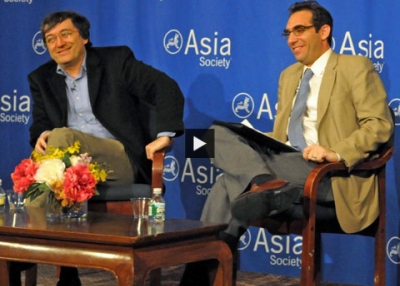
Highlights of Asia Society's "Great Debates" talk between Moshe Halbertal and Jeff Israel on the traditions behind Talmudic debate.
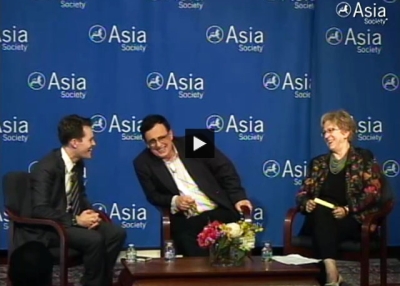
Scholars Moshe Halbertal and Jeff Israel explore the traditions underlying Talmudic debate.
How do Tibetan monks make a point? A "Tibetan Debates" highlights video reveals all.