
Climate Change in Mumbai
Partners: Centre for Social Markets (CSM), Bombay Natural History Society (BNHS)
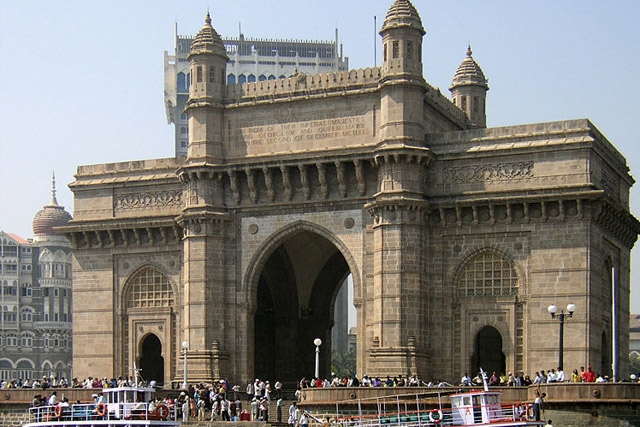
MUMBAI, Sept. 21, 2007 - The Gateway of India, once a popular tourist attraction and symbol of Mumbai's historical significance, submerged under rising sea waters. The Maharashtra Nature Park, once a dumping ground, now a forest preserve for rare bird and butterfly species. The discussion tonight at the Mumbai City Dialogue on climate change evoked these two striking images of two possible futures for the city. One is the fate likely if nothing is done to combat climate change. The other, a model of the ways in which citizens and the city can ameliorate the situation and create a sustainable future before it is too late.
The Mumbai City Dialogue was the Mumbai iteration of 12 televised events being held in cities across India as a part of the Centre for Social Markets' (CSM) Climate Challenge India initiative. The evening consisted of a panel discussion-cum-informal town hall meeting in which concerned citizens and prominent leaders from across the spectrum of the city's civil society, business, science and government addressed the implications of climate change for Mumbai, and this city's responsibilities and opportunities for confronting it. Preceding the panel was a screening of footage filmed in Mumbai. In the footage, citizens were asked to discuss their experiences and responses to environmental change in the city. Among those represented in the footage were a journalist, an IT professional, a retired corporate worker and, finally, Avinash Kunbal of the Mahrashtra Nature Park.
Consensus was reached on the larger point that, rather than waste energy pointing fingers and laying blame on other sectors of the city, a proactive, coalitional approach is what's needed to effect real change. Malini Mehra, Founder and CEO of the Centre for Social Markets and moderator of this panel discussion, proposed that the resources available within the panel itself be made of use. A concrete, very feasible coalition across government, science, citizenry, arts, and ecological activism had been modeled in the discussion, and these resources should be utilized, and the model repeated.
The Mumbai City Dialogue was the Mumbai iteration of 12 televised events being held in cities across India as a part of the Centre for Social Markets' (CSM) Climate Challenge India initiative. The evening consisted of a panel discussion-cum-informal town hall meeting in which concerned citizens and prominent leaders from across the spectrum of the city's civil society, business, science and government addressed the implications of climate change for Mumbai, and this city's responsibilities and opportunities for confronting it. Preceding the panel was a screening of footage filmed in Mumbai. In the footage, citizens were asked to discuss their experiences and responses to environmental change in the city. Among those represented in the footage were a journalist, an IT professional, a retired corporate worker and, finally, Avinash Kunbal of the Mahrashtra Nature Park.
Consensus was reached on the larger point that, rather than waste energy pointing fingers and laying blame on other sectors of the city, a proactive, coalitional approach is what's needed to effect real change. Malini Mehra, Founder and CEO of the Centre for Social Markets and moderator of this panel discussion, proposed that the resources available within the panel itself be made of use. A concrete, very feasible coalition across government, science, citizenry, arts, and ecological activism had been modeled in the discussion, and these resources should be utilized, and the model repeated.