Sri Lanka At a Crossroads
NEW YORK, April 15, 2009 – Will Sri Lanka realize its potential as a multiethnic democracy, or continue down the destructive path of last 25 years of civil war? Panelists met at Asia Society headquarters to discuss this question in the context of the current crisis in Sri Lanka in a program moderated by V.V. Ganeshananthan, author of Love Marriage (2008) and board member of the South Asian Journalists Association (SAJA). As the ongoing military operation against the LTTE intensifies, concerns have been raised about the resulting humanitarian situation and the likelihood of a lasting political solution.
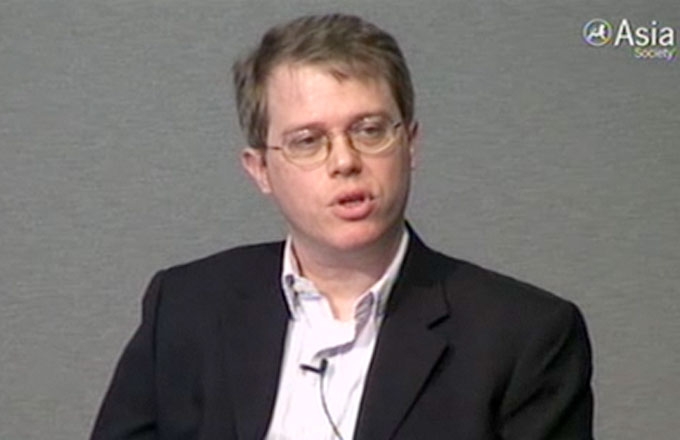
Alan Keenan, International Crisis Group's Senior Analyst based in Colombo, noted that one of the difficulties in addressing the crisis in Sri Lanka is that it consists of multiple crises overlapping. These range from the plight of trapped civilians both in the conflict zone and in Internally Displaced Person Camps with limited access to food, water, and medicine, to a general problem of governance and the slow collapse of democratic institutions.
Ahilan Kadirgamar, spokesperson for the Sri Lanka Democracy Forum, outlined what he considered necessary components for a post-war solution. These included gradual demilitarization, the creation of a space for elections, increased confidence in and rights for minorities, and the devolution of power to outlying regions. Kadirgamar underscored that Sri Lanka's history of ethnic discrimination must be addressed, and minorities must have a stake in power.
One of the major questions is whether peace will be possible "post-LTTE." Keenan warned that the acceptance of a "war on terror" framework and the way the war is being fought—and, perhaps, brought to an end—undermine the outcome of peace.
Other key issues discussed included the important roles of the Sri Lankan diaspora community as well as the role of the international community, particularly the United Nations and other international organizations.
Reported by Danika Swanson