Discuss: Are Tea Rituals Still Relevant Today?
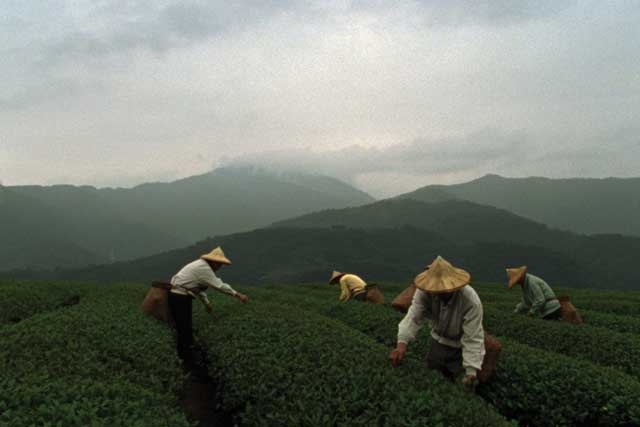
The film The Meaning of Tea, which screened at the Asia Society New York on March 17, explores the rituals and ceremonies of tea that are celebrated and enjoyed in different cultures. At the same time, it examines the role that modern forces play in threatening the very survival of tea, particularly in an era dominated by fast food and corporatized coffee.

From tea rituals in Japan and Morocco to afternoon tea in the midwestern United States, The Meaning of Tea pays homage to the profoundly positive role that tea plays in peoples' lives.

Share your thoughts. Are traditional tea rituals relevant in today's modern world? In this age of globalization, what role does tea play in your life?

I think tea will always be relevant in our lives, despite the contsant onslaught of modernity and corporatization of consumer goods. Tea has been proven beyond doubt to have numerous health benefits and I agree with Jason when he compares it to cooking. Question - will tea go the corporate coffee route? I hope not!
My first consideration of this question raised another question: How is a tea ritual different from cooking? Both require ingredients prepared in a careful, intentional manner. Tea ritual, more than cooking, gives us a pause in life. Like the Christian conception of Communion, or the Jewish tradition of Passover, tea ritual puts us beside our tea forebears and links us across time boundaries. When drunk in community, tea ritual also heightens our awareness of the people around us. Hopefully, that awareness makes us better friends and neighbors. Jason walkerteareview.com
I agree completely with Jean's point - traditions are needed in the modern world more than ever! Tea has such a rich and varied history - it was brought to the Subcontinet where I am from,by the British colonizers and supplanted the local drink (lemonade) against all common sense and expectations (hot tea - in a hot climate?!) But I can truly understand the appeal of tea- i am a huge fan. It calms when you when you are upset, distraught, anxious or worried. I have never caught onto the idea of coffee, but tea...now thats the stuff!
Tea rituals are especially relevant in today's modern world. I think that we are going to see a dramatic shift towards tea in the next few years because it gives us what no other beverage can: a reason to slow down. You can't rush tea, it needs time. I know when I drink tea its more about the ritual and the preparation than it is about the end product. It gives me time to reflect. By the way, the meaning of tea is an excellent movie, so inspiring. "Tea is more than a beverage.... It can give you spiritual hope"
The supposed conservatives, the tea baggers of the Whig Party, in the united suck of assassins, has given tea a bad name, here; green tea's healthful attributes can't be stopped by supposed political fixes- the life is indivisible. Traditions, like tea ceromonies, et al, are still very important :) reality
Hmmm, I never realized the endangered status of tea. i actually think that might be an exaggeration since tea is becoming trendy. Go to Whole Foods and you see teas packaged in cool designs and various claims. (e.g. "Make yourself Beautiful Tea", "De-stress Tea", "Get Glowing Tea"). If anything, it's the tea ceremonies that are scarce. People don't really know about it, so it'd be good to see this film. Maybe it'll inspire people to reawaken the tradition.
Most anything that stems from tradition should remain relevant in the modern world. Tea traditions, especially, capture a culture's social habits and give us a feel for how people communicate. Everytime I eat at a Chinese restaurant, I am automatically given a cup of Jasmine tea. This is a gesture of welcoming and I am always appreciative of it. When my English friend asks me over for a "cup of tea" I automatically assume there will be lively conversation involved, or at least a discussion of some sort. These tea traditions have been around long, but still stand strong today. It's important that we recognize their value and become educated of where its place in history and our present lives.

Post new comment

Your comments are welcome, please adhere to our guidelines

Be respectful. Personal attacks will not be tolerated; nor will profane, abusive or threatening posts.

Keep it short (150 words or less), Stay on topic.

Asia Society reserves the right to moderate all comments and remove or edit for guideline violations. Thank you.

The content of this field is kept private and will not be shown publicly.
Type the characters you see in this picture. (verify using audio)
Type the characters you see in the picture above; if you can't read them, submit the form and a new image will be generated. Not case sensitive.