
Discuss: Are Tea Rituals Still Relevant Today?
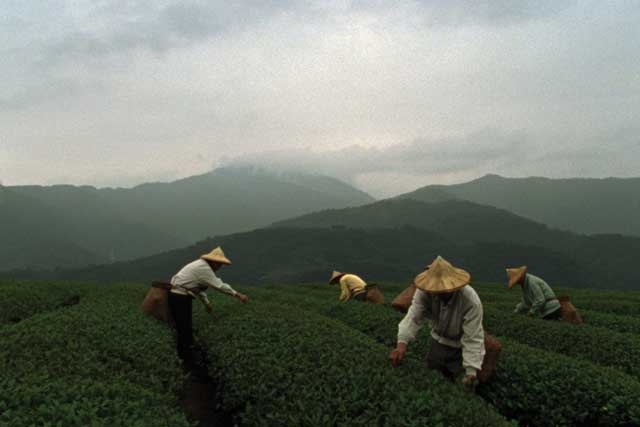
The film The Meaning of Tea, which screened at the Asia Society New York on March 17, explores the rituals and ceremonies of tea that are celebrated and enjoyed in different cultures. At the same time, it examines the role that modern forces play in threatening the very survival of tea, particularly in an era dominated by fast food and corporatized coffee.

From tea rituals in Japan and Morocco to afternoon tea in the midwestern United States, The Meaning of Tea pays homage to the profoundly positive role that tea plays in peoples' lives.

Share your thoughts. Are traditional tea rituals relevant in today's modern world? In this age of globalization, what role does tea play in your life?

Tea drinking is here to stay. But tea rituals? Tea by its nature seems to invite one to slow down to enjoy it, and tea drinking will always pull us toward reflection or taking time for a friendly exchange. But as a student of "the Japanese way of tea" I wonder: will traditional Japanese tea rituals continue? In Japan, yes; in the USA, it will be much, much harder to instill even though people here find it delightful when they encounter it. Does our current generation of teachers create a next generation of teachers? It is still an expensive passion, if you want to experience it the old-fashioned way. It would take a great tea master to figure out how to adapt the ceremony to a modern American setting without draining away the charm and sense of time-travel that first attracted me to tea. The effect of a tea ritual seems to have much to do with creating a quiet gardenlike setting. "Living rooms" can actually be rather deadening, compared to a tearoom! My best experience was outdoors with minimal outdoor furnishings, in the early evening, with my daughter and her then teenage friends, looking at the night sky.
Tea drinking is an integral part of life here in Japan. One will always be offered tea when visiting people or in shops. Tea is to be found in all vending machines throughout Japan and I can't imagine Japanese not drinking tea.
I start my day with green tea, everyday. At 4 p.m. I take a tea break, preferably black tea with soy milk. And I most certainly end the day with decaffeinated green tea, to relax, feel secure, and mark the end of the day before sleep. I can safely say that tea is a good thing and a blessing. I couldn't imagine my life without it.
As a social worker in a residential therapeutic community for adults in recovery from addictions and the lifestyles that accompany drug use, at the outset of each individual counseling session I offer my client a cup of tea. This transforms a "session with the therapist" into a "conversation with someone who cares." Creating that environment is ultimately far more healing than anything I might say.
Thank you for sharing your inspirational experience with tea. I will share your insights with my friends who work in similar healing professions.
Tea is innately integrated in Taiwanese people's life. We consider tea drinking an everyday life practice, though it may look ritual for non-east asian people. I don't think it's a "traditional" thing. It's interesting to think about how bottled cold tea has taken over the east asian tea market during the past decade.
tea plays a vital role in my life. I allow the sacred, silent moments of steeping and sipping tea to press pause on my bustling day. By letting our mind, body and soul experience these moments of peace through tea, we are reconnecting with ourselves and the world around us. I so dearly hope that we never lose the ritual of tea, no matter how we each individually define it.
"The appreciation of a cup of tea is really the appreciation of beauty in the everyday." Thank you for sharing this topic of tea, which is timeless. Looking forward to the film on March 17.
Rituals are the inner woven fabric of our being. When I drink Tea, I am taking the time to link all that makes me who I am. I use my tea time for contemplation of the past, present and future, which all seem to be within reach, yet time and space do not have a persistent baring. It is the connection with myself or with person(s) I'm with that take precedence.
When people come to my tea garden, and I bring out the ceremonial tea set, they light up like children waiting for a special treat, even if they have been here for tea before. It makes them feel special and honored. Tea is good, but life is hard, and we all need special moments. We all deserve to be honored. I have seen the power a simple tea ceremony can have.

Post new comment

Your comments are welcome, please adhere to our guidelines

Be respectful. Personal attacks will not be tolerated; nor will profane, abusive or threatening posts.

Keep it short (150 words or less), Stay on topic.

Asia Society reserves the right to moderate all comments and remove or edit for guideline violations. Thank you.

The content of this field is kept private and will not be shown publicly.
Type the characters you see in this picture. (verify using audio)
Type the characters you see in the picture above; if you can't read them, submit the form and a new image will be generated. Not case sensitive.