
Skills Map Shows Way to a Stronger Future
WASHINGTON, DC, March 29, 2011 – Asia Society vice president Tony Jackson spoke at a Congressional briefing today, urging policymakers to invest in language acquisition programs for elementary and secondary school students.
“It’s an economic risk, it’s a security risk, and it’s a risk to our capacity as a nation if we do not fully engage in an increasingly global civil society,” Jackson said.
Jackson outlined several cognitive advantages for students who study languages or are multilingual. Notably, students who study languages show greater achievement in reading and math skills.
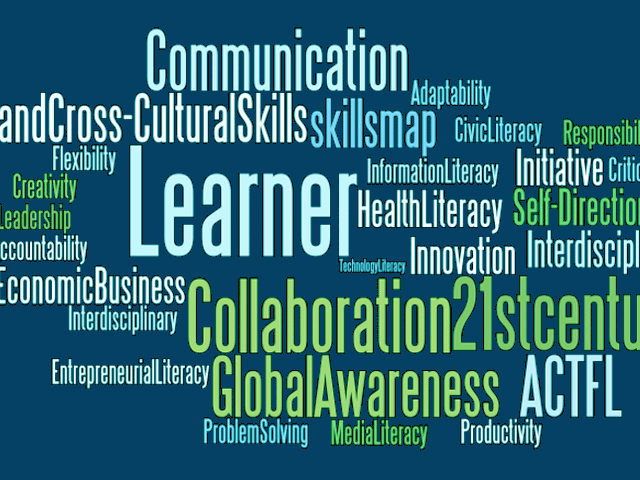
The Partnership for 21st Century Learning, working with the American Council for the Teaching of Foreign Languages (ACTFL), released a “skills map” that help to develop students’ language proficiency around modes of communicative competence reflecting real life situations. The skills map was developed with the input of dozens of educators and researches from throughout the country.
Proficiency in languages is a critical pathway to global competence.
Increasingly, throughout multiple sectors, recognizing that a nation’s competitiveness is truly enhanced by their workers proficiency in languages. “We cannot assume English will remain the world’s dominant language,” Jackson cautioned.