President Obama Calls for American Education System to Align with Global Economy
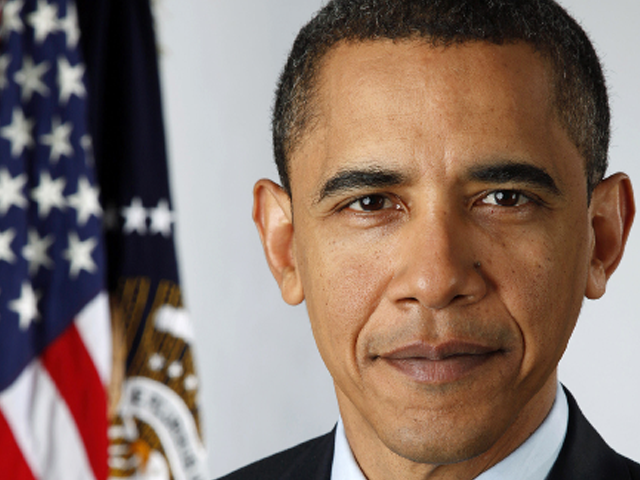
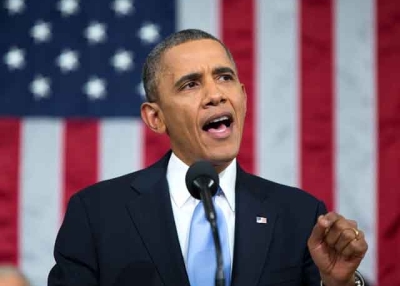
President Barack Obama has called for American schools to align student achievement with the demands of the global economy, saying, “The source of America's prosperity has never been merely how ably we accumulate wealth, but how well we educate our people. This has never been more true than it is today. In a 21st-century world where jobs can be shipped wherever there's an Internet connection, where a child born in Dallas is now competing with a child in New Delhi, where your best job qualification is not what you do, but what you know—education is no longer just a pathway to opportunity and success, it's a prerequisite for success.”
There have been a lot of talk—and $100 billion in education funding—tied to the idea of creating a world-class education system. But what does it really mean?
In any industry, the financial one notwithstanding, the world is interconnected. Five forces can clearly be seen in the global economy, each requiring a different skill set for true success:
A Science and Knowledge Economy
Students need scientific and technological literacy.
A Resource-Challenged Economy
Students need critical thinking about sustainable economies.
A Globally Interdependent Economy
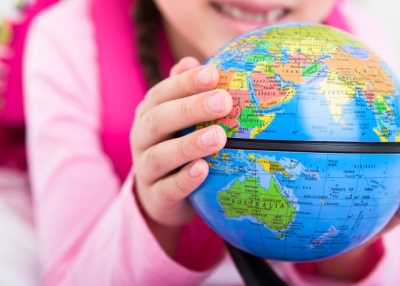
Students need knowledge about other countries, regions, cultures, and global systems. They need skills to communicate digitally, effectively, and in other languages. They need a values system to respect global peers and cultures different from their own.
A Demographically Diverse Economy
Students need cross-cultural leadership skills.
An Innovation-Driven Economy
Students need to understand complexity and adapt to rapid change.
Students need to be globally competent. Other countries are already investing in these skills. For example, languages help people reap economic returns in addition to cultural and social ones. Most European countries start a first foreign language in the elementary grades and a quarter of Australian students learn an Asian language. Only about one-half of American high school students study a world language; the majority of these students never progress beyond the introductory level and 70 percent study Spanish, which does not help the United States meet the critical language needs identified by the US State and Defense Departments.
Similarly, in China, education leaders study education practices in other countries, teachers are encouraged to study abroad, and schools are strongly urged to form sister school partnerships with schools in other countries. However, less than one percent of American students study abroad, the figure is much higher in other industrialized countries.
The future is here. It’s global, multicultural, multilingual, and digitally connected. If we put the world into world-class education, not only will we be more successful and innovative in the global economy, but we will also lay an important foundation for peace and a shared global future.